The AV industry is no longer just about sound systems and projectors. In 2026, audiovisual production is the backbone of immersive brand experiences, hybrid communication, and global audience engagement. As a company deeply rooted in AV rental and production, livestreaming, and webcasting, we’ve seen firsthand how fast this industry evolves.
At Megahertz Productions, we work with corporate teams, creative agencies, and event planners who expect more than equipment, they expect strategy, innovation, and flawless execution. Based on what we’re seeing across live events, hybrid conferences, product launches, and digital broadcasts, here are the top AV trends in 2026 that are reshaping the future of production.
If you’re planning events this year, these insights will help you stay competitive, relevant, and unforgettable.
The Rise of Fully Immersive Event Experiences
Audiences in 2026 don’t want to attend events. They want to experience them.
1. 360° Stage Design and Spatial Storytelling
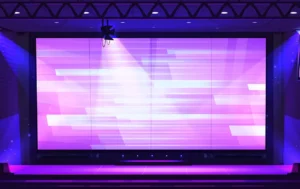
Traditional stage setups are fading. Instead of a single LED wall behind a presenter, we’re designing 360-degree environments where content surrounds the audience.
Multi-surface projection mapping, LED volumes, and wraparound scenic design are becoming standard in premium productions. This shift transforms keynote speeches into cinematic moments.
From a technical standpoint, this requires:
- Advanced video routing systems
- Seamless LED panel calibration
- Precise lighting programming
- Integrated audio zoning
Companies investing in AV rental and production must think beyond gear, it’s about creating narrative environments.
2. Projection Mapping 2.0
Projection mapping isn’t new, but in 2026 it’s smarter and more adaptive. AI-assisted mapping allows dynamic adjustments based on audience movement or lighting conditions.
Brands are using architectural projection to turn venues into storytelling canvases. The result? Social-media-worthy moments that extend event ROI far beyond the room.
Hybrid Events Are Now “Default,” Not Optional
The hybrid model isn’t a trend anymore — it’s infrastructure.
1. Multi-Layer Livestreaming Strategies
In 2026, livestreaming and webcasting are expected to match broadcast-level quality. Viewers demand:
- Multiple camera angles
- Real-time graphics integration
- Interactive audience polls
- Instant replay features
Single-camera webcasts are outdated. Today’s hybrid events require multi-camera switching, low-latency streaming, and platform optimization.
As a production company, we’ve seen brands prioritize redundancy systems (backup internet, duplicate encoders, and mirrored recording) because downtime is no longer acceptable.
2. Audience Segmentation in Virtual Experiences
Hybrid events now deliver different experiences to different audience segments. VIP digital attendees may access:
- Exclusive backstage interviews
- Private breakout sessions
- Downloadable resources
- Networking lounges
This layered approach increases engagement and monetization potential.
AI-Driven AV Production Is Changing the Game
Artificial intelligence is quietly transforming AV production workflows.
1. Automated Camera Tracking and Smart Switching
AI-powered cameras can now track presenters across large stages without manual operators. Smart switching software detects who’s speaking and automatically cuts to the appropriate angle.
This doesn’t eliminate skilled crew members, it enhances them. Human oversight combined with AI efficiency creates smoother productions.
2. Real-Time Captioning and Translation
Accessibility and global reach are major priorities. AI-based real-time captioning and language translation make events instantly more inclusive.
Livestreaming platforms now integrate:
- Live multilingual subtitles
- AI voice dubbing
- Searchable transcripts post-event
For companies focused on webcasting services, these features dramatically expand audience reach.
Sustainable AV Solutions in 2026
Sustainability is no longer a branding checkbox. Clients actively request eco-conscious AV setups.
1. Energy-Efficient LED Technology
Modern LED walls consume significantly less power while delivering higher brightness and better pixel density.
Energy-efficient lighting fixtures and intelligent power distribution systems are becoming standard in AV rental inventories.
2. Digital-First Event Materials
Printed signage is declining. Instead, dynamic digital signage:
- Reduces waste
- Allows instant updates
- Enhances branding consistency
Forward-thinking production companies now consult on sustainability strategy alongside technical planning.
Ultra-High-Resolution Visuals: Beyond 4K
In 2026, 4K is baseline. High-end productions are exploring:
- 8K video workflows
- Micro-LED displays
- Ultra-fine pixel pitch LED walls
The visual clarity enhances product showcases, corporate keynotes, and immersive brand films.
However, resolution alone doesn’t guarantee impact. Content must be optimized for large-format displays, something we always emphasize during pre-production consultations.
The Growth of Virtual Production for Live Events
Virtual production, once associated with film studios, is now entering corporate and live event spaces.
1. LED Volume Stages
LED volumes allow presenters to stand inside dynamic digital environments without green screens.
Benefits include:
- Real-time background rendering
- Reduced post-production time
- More engaging livestream visuals
For webcasting clients, this means transforming a simple studio broadcast into a cinematic experience.
2. Remote Speaker Integration with Seamless Quality
Remote speakers are still common, but production standards are higher.
In 2026, we’re deploying:
- Remote production kits shipped to speakers
- Managed connectivity tests
- Studio-grade lighting and microphones for remote contributors
The result: remote segments that feel as polished as in-person presentations.
Advanced Audio Engineering for Immersive Sound
Visual technology often steals the spotlight, but audio innovation is equally transformative.
1. Spatial Audio Systems
Immersive audio systems distribute sound with directional accuracy. This enhances:
- Large-scale conferences
- Product reveals
- Experiential brand installations
Attendees don’t just hear the content, they feel enveloped by it.
2. Intelligent Audio Processing
AI-driven audio mixing automatically balances levels, reduces feedback, and adapts to room acoustics.
For livestreaming, separate audio mixes are now standard:
- One optimized for in-room audience
- One tailored for broadcast viewers
This dual-mix strategy dramatically improves online viewer retention.
Data-Driven Event Production
In 2026, AV production isn’t just technical — it’s analytical.
1. Engagement Metrics from Livestreaming Platforms
Webcasting platforms now provide detailed analytics, including:
- Viewer retention rates
- Engagement heat maps
- Click-through interactions
- Download tracking
Brands use this data to refine future event strategies.
2. Real-Time Production Adjustments
Advanced production systems allow real-time monitoring of audience engagement. If drop-off rates spike, content pacing can adjust dynamically.
This merges production and marketing into one strategic ecosystem.
Modular and Scalable AV Rental Solutions
Flexibility is essential.
Companies increasingly request scalable AV systems that can:
- Expand for larger audiences
- Adapt to different venue sizes
- Integrate with evolving technologies
Modular LED panels, scalable audio arrays, and cloud-based streaming systems make rapid deployment possible.
From a rental perspective, this trend emphasizes smart inventory management and future-proof equipment investments.
Cybersecurity in Webcasting and Hybrid Events
With increased digital integration comes higher risk.
1. Secure Streaming Platforms
Encrypted streams and password-protected access are now baseline requirements.
2. Network Redundancy and Firewalls
Professional AV production teams collaborate with IT departments to ensure:
- Secure data transmission
- Protection against unauthorized access
- Backup network systems
Cybersecurity is becoming part of pre-production planning.
Interactive Technology and Audience Participation
Passive viewing is fading.
1. Live Polling and Real-Time Q&A
Integrated audience engagement tools boost retention and satisfaction.
2. Gamification Elements
Leaderboards, digital rewards, and interactive challenges are being woven into corporate events.
This hybrid of entertainment and communication increases brand memorability.
What These AV Trends Mean for Your Next Event
If you’re planning a conference, corporate meeting, product launch, or livestream broadcast, understanding these trends can shape smarter decisions.
Key takeaways for 2026:
- Immersion drives engagement
- Hybrid is standard
- AI enhances production efficiency
- Sustainability matters
- Data informs strategy
- Security cannot be ignored
The companies that thrive are those that view AV production as an investment, not an expense.
How to Prepare for AV Trends in 2026
To stay ahead:
- Involve your AV production partner early in planning
- Consider hybrid capabilities even for in-person events
- Budget for high-quality livestream production
- Prioritize audience engagement tools
- Evaluate sustainability goals
The earlier AV professionals are included, the smoother the execution.
The Future of AV Rental and Production
The AV industry in 2026 is creative, strategic, data-driven, and technologically advanced. But one thing hasn’t changed:
Great production is still about people.
Technology supports storytelling, it doesn’t replace it.
As a company dedicated to AV rental, production, livestreaming, and webcasting, we’re excited about where this industry is heading. The boundaries between physical and digital experiences continue to blur, and that creates enormous opportunity for brands willing to innovate.
If you’re exploring ways to elevate your next event, we invite you to connect with our team at Megahertz Productions and discover how strategic AV solutions can transform your vision into reality.
The future of events isn’t coming. It’s already here.