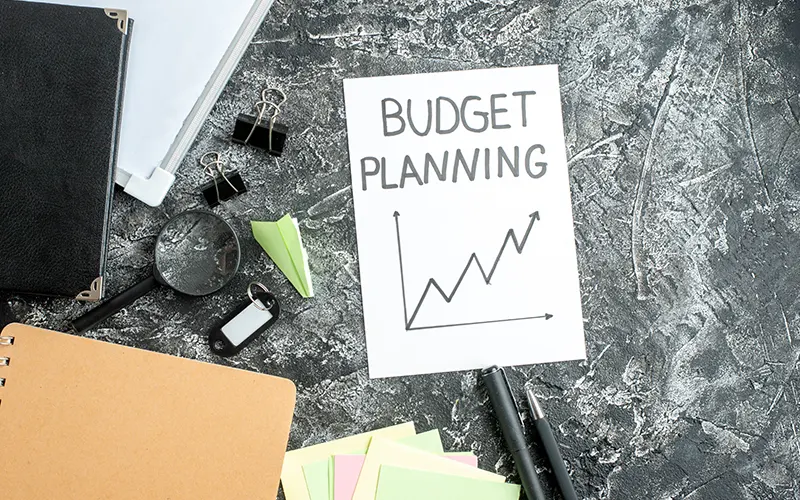
Planning an event is a lot like conducting an orchestra. You have various sections, the venue, the catering, the marketing, and the technology, all needing to play in perfect harmony. Without a clear score, which is your budget, the music can quickly turn into noise.
At Megahertz Productions, we’ve spent years behind the scenes of corporate conferences. We’ve seen firsthand how a well-structured budget can be the difference between a stressful scramble and a seamless execution. In this guide, we break down everything you need to know about building a comprehensive event budget that accounts for every detail while still leaving room for innovation.
Why a Detailed Event Budget Is Your Best Friend
A budget is often viewed as a limitation, but in reality, it is one of your most powerful strategic tools. A clear financial framework allows you to prioritize what truly matters to your audience. Are they attending for the food, the networking opportunities, or high-energy presentations?
By defining financial boundaries early, your team can make faster and smarter decisions throughout the planning process. A solid budget also helps with:
- Securing stakeholder buy-in by presenting a clear and professional plan
- Tracking return on investment by understanding exactly where money is spent
- Mitigating risk by preparing for unexpected costs before they arise
Defining Your Event Goals and Financial Scope
Before opening a spreadsheet, it’s essential to define the purpose of your event. Every dollar should serve a clear objective.
Identifying Your Primary Objectives
Is your event designed to generate leads, celebrate a company milestone, or educate employees? A lead-generation event may require heavier investment in marketing, while an educational summit often demands higher spending on AV production and speaker fees to ensure content is delivered clearly and professionally.
Understanding Fixed and Variable Costs
Knowing the difference between fixed and variable costs is critical when scaling an event.
- Fixed costs remain the same regardless of attendance, such as venue rental, AV equipment, or website hosting
- Variable costs fluctuate based on the number of attendees, including catering, swag bags, and printed badges
Venue, Catering, and Logistics
These categories typically consume the largest portion of any event budget. Managing them effectively requires foresight and careful negotiation.
Selecting the Right Venue
Venue costs extend far beyond simple room rental. Service charges, insurance requirements, and setup days must all be factored in. Many venues work with preferred vendors and may charge additional fees if you bring in an external AV rental company. Identifying these hidden costs early can prevent major budget surprises later.
Food and Beverage Planning
Catering expenses can escalate quickly if not managed carefully. Consider how food supports the flow of your event. Not every audience requires a formal three-course meal. High-end food stations or grab-and-go options may better support networking goals.
Always remember to budget an additional 20 to 25 percent for service charges and taxes, which are rarely included in initial quotes.
The Core of the Experience: AV Rental and Production
Modern audiences expect more than a microphone and a projector. They expect a polished, immersive experience. This is where Megahertz Productions helps clients balance visual impact with financial efficiency.
Why AV Is an Investment, Not an Expense
AV production acts as the bridge between your content and your audience. Poor audio or undersized screens can undermine even the strongest message. Investing in high-quality AV ensures your brand is presented as professional, credible, and detail-oriented.
Breaking Down AV Production Costs
A realistic AV budget typically includes:
- Audio systems, such as microphones, speakers, and mixing consoles
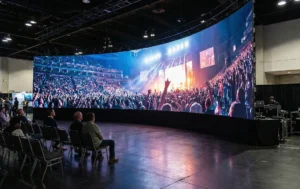
- Visual elements, including LED walls, high-lumen projectors, and confidence monitors
- Lighting design, covering stage lighting, ambient uplighting, and dynamic fixtures
- Labor costs, including engineers, technicians, and stagehands responsible for flawless execution
The Power of Custom Stage Design
While standard staging is functional, custom backdrops and projection mapping can dramatically elevate the environment. Strategic lighting design often provides a cost-effective way to transform a space without investing heavily in physical décor.
Extending Your Reach with Livestreaming and Webcasting
In a globalized business environment, events are no longer limited to physical spaces. Digital components are now a standard expectation for major corporate gatherings.
The ROI of Hybrid Events
Livestreaming allows organizations to reach global teams or sell digital access without incurring travel expenses. In many cases, this additional reach creates new revenue streams that help offset overall event costs.
Technical Requirements for Professional Webcasting
A successful webcast requires more than a laptop and a webcam. Essential elements include:
- Dedicated internet bandwidth rather than relying on venue Wi-Fi
- Professional switchers and encoders for smooth transitions between cameras and content
- Remote engagement tools such as live Q&A sessions and interactive polls
Marketing, Promotion, and Content Creation
Even the best-planned event will fail without proper promotion.
Digital Marketing and Paid Promotion
Budget allocation should include targeted LinkedIn advertising, email marketing tools, and potentially a dedicated landing page. Early-bird pricing strategies can help generate early momentum and cash flow.
Pre-Event and On-Site Video Content
Video remains one of the most effective promotional tools. Teaser videos, speaker interviews, and post-event highlight reels extend the lifespan of your event and maximize its impact. Megahertz Productions frequently supports clients in creating high-quality video assets before, during, and after the event.
Speakers, Talent, and Entertainment
Your on-stage talent is often the primary value proposition for attendees.
Speaker Fees and Travel Costs
Keynote speakers may cost anywhere from a few thousand dollars to six figures. Always confirm whether fees include travel, accommodation, and ground transportation. When budgets are tight, industry experts may be willing to speak in exchange for exposure and networking opportunities.
Entertainment and Atmosphere
Live music, digital performers, or interactive experiences add personality and energy to an event. Entertainment often comes with technical riders that impact AV requirements, so close coordination with your production team is essential.
Hidden Costs You Must Account For
Some expenses are easy to overlook until the final invoice arrives:
- General liability insurance
- Permits for public or unconventional spaces
- Shipping and drayage for equipment and materials
- Event staffing, including registration teams and security
- Taxes and gratuities, which can add up to 30 percent in some regions
Building a Contingency Fund
No matter how detailed the plan, changes are inevitable. Speakers cancel, schedules shift, and technical needs evolve.
A best practice is setting aside 10 to 15 percent of the total budget as a contingency fund. This is not extra spending money but a financial safety net. If unused, it directly improves your event’s bottom line.
Managing Your Budget Throughout the Planning Process
An event budget should be a living document, not a static file.
Choosing the Right Budgeting Tools
Smaller events may be managed with Excel or Google Sheets, while larger productions benefit from platforms like Cvent or Bizzabo that integrate registration data with real-time budget tracking.
Conducting Regular Budget Reviews
Scheduling bi-weekly budget reviews helps compare estimated costs against confirmed quotes. This allows teams to rebalance spending early and avoid last-minute compromises.
Making Every Dollar Count
A successful event budget is about balance. It requires knowing where to save and where to invest for maximum impact. By prioritizing experience drivers such as professional AV production and compelling content, you ensure attendees leave with a strong and lasting impression of your brand.