Producing professional video content requires more than creativity and a good story. The quality of your visuals often depends on the equipment you use, especially the camera. For many production teams, filmmakers, marketers, and event organizers, buying professional cameras is not always practical. Technology evolves quickly, and high-end equipment can be expensive to maintain.
This is why camera rental has become a smart and flexible solution. Renting allows you to access cutting-edge equipment, adapt to different project requirements, and control production costs.
At Megahertz Productions, we work with production teams, corporate clients, event organizers, and creative professionals who need reliable equipment for filming, livestreaming, and webcasting projects. Over the years, we’ve seen firsthand how choosing the right camera rental can make a significant difference in the final result.
This guide will walk you through everything you need to know about renting a camera, from understanding different camera types to planning your equipment setup and avoiding common mistakes.
Why Camera Rental Makes Sense for Modern Productions
Professional cameras are powerful tools, but they also represent a major investment. Renting gives creators access to professional gear without the long-term financial commitment.
Access to the Latest Technology
Camera technology evolves rapidly. Sensors improve, codecs change, and new features are constantly introduced. Renting allows you to work with modern equipment without needing to upgrade your gear every year.
Production teams often rent cameras specifically for projects that require specialized capabilities such as high frame rates, cinematic dynamic range, or advanced autofocus systems.
Cost Efficiency for Short-Term Projects
If you’re producing a short film, corporate video, commercial, or live event broadcast, buying a professional camera may not be the best financial decision. Renting lets you allocate your budget more effectively across lighting, audio, crew, and post-production.
Read More : Camera Rental vs. Buying
Flexibility for Different Types of Productions
Different productions require different tools. A camera setup that works perfectly for a livestream may not be ideal for a cinematic interview or a product commercial.
Camera rental allows you to select the right equipment for each project instead of forcing one camera to do everything.
Reduced Maintenance and Storage Concerns
Owning professional gear means dealing with maintenance, firmware updates, sensor cleaning, and safe storage. Rental equipment is typically maintained and checked before each job, allowing your team to focus on production instead of equipment management.
Types of Cameras Commonly Available for Rental
Before renting a camera, it’s important to understand the main categories used in professional production.
Cinema Cameras
Cinema cameras are designed for high-end video production such as films, commercials, and scripted content.
These cameras typically offer:
- Large sensors for cinematic depth of field
- High dynamic range
- Professional codecs
- Advanced color science
- Flexible lens compatibility
They are ideal for productions where image quality and post-production flexibility are top priorities.
Broadcast Cameras
Broadcast cameras are commonly used for live productions such as conferences, concerts, sporting events, and webcasts.
These cameras are optimized for:
- Continuous operation
- Reliable signal output
- Multi-camera setups
- Live switching workflows
They integrate easily with production switchers and streaming systems.
Mirrorless and Hybrid Cameras
Mirrorless cameras have become extremely popular in professional production because they combine strong video capabilities with portability.
They are often used for:
- Documentary filming
- interviews
- corporate videos
- online content production
Many production teams rent multiple mirrorless cameras to create flexible multi-angle setups.
PTZ Cameras for Automated Productions
PTZ cameras (Pan-Tilt-Zoom) are widely used in livestreaming environments where remote control and automation are important.
They allow operators to control framing and movement remotely, making them ideal for:
- livestream studios
- hybrid events
- houses of worship
- corporate presentations
PTZ systems can significantly reduce crew requirements while maintaining professional production quality.
Key Factors to Consider Before Renting a Camera
Choosing the right camera involves more than just selecting a popular model. A good rental decision starts with understanding the needs of your production.
Define Your Production Goals
Start by asking a few simple questions:
- Is the project live or pre-recorded?
- Will it require multiple cameras?
- What is the final delivery format?
- Will the footage require heavy color grading?
Your answers will help determine whether you need a cinema camera, a broadcast camera, or a hybrid setup.
Consider Resolution and Frame Rate Requirements
Many productions now require 4K or higher resolution. However, higher resolution also means larger file sizes and heavier post-production workloads.
If you plan to create slow-motion shots, you may also need cameras capable of high frame rates.
Understanding these requirements early helps you avoid renting equipment that is either underpowered or unnecessarily expensive.
Evaluate Low-Light Performance
Lighting conditions can dramatically affect camera performance.
Corporate events, conferences, and indoor productions often involve challenging lighting environments. Cameras with larger sensors and strong low-light capabilities can produce cleaner images and reduce the need for additional lighting.
Check Lens Compatibility
The camera body is only one part of the system. Lens selection is equally important.
Some productions require wide-angle lenses for stage coverage, while others need telephoto lenses for close-ups from a distance.
Before renting a camera, confirm that the rental provider offers compatible lenses for your shooting style.
Planning a Complete Camera Package
Many people think of camera rental as simply renting the camera body. In reality, a professional setup includes several supporting components.
Essential Camera Accessories
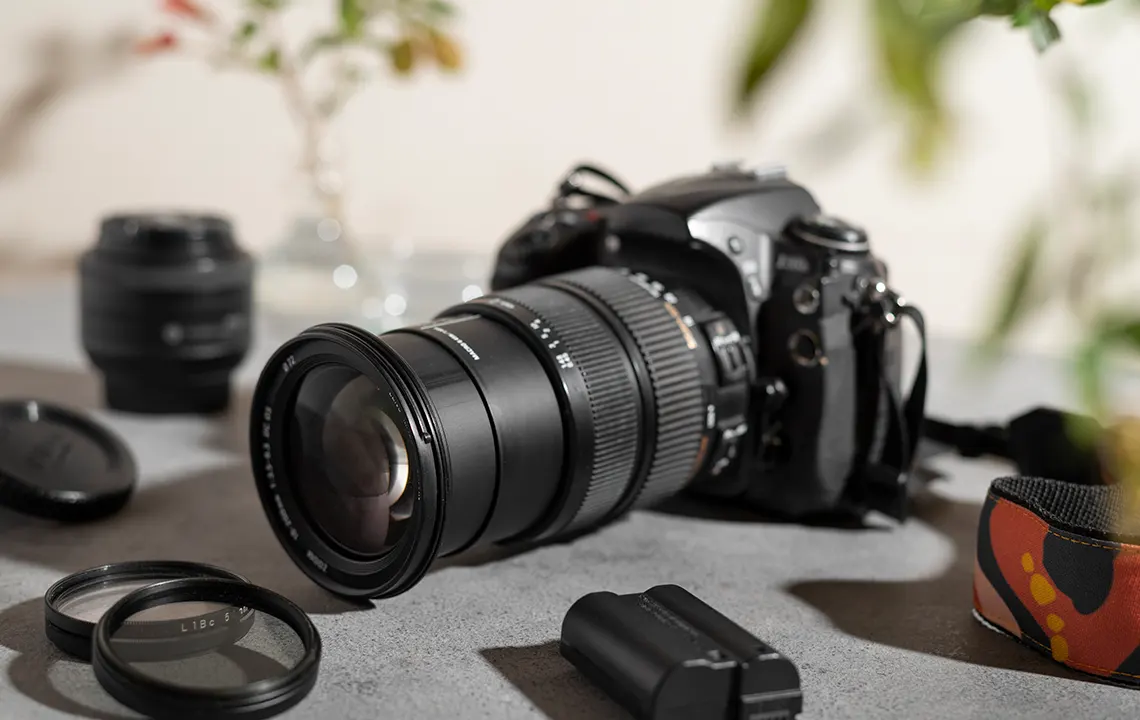
A typical camera package may include:
- Lenses
- Tripods or support rigs
- External monitors
- Media cards or recording devices
- Batteries and power solutions
- Camera cages or mounting systems
These accessories can have a major impact on the efficiency and stability of your shoot.
Monitoring and Video Output
If your production involves live switching, livestreaming, or webcasting, the camera must integrate with your video workflow.
Professional cameras often provide SDI or HDMI outputs that connect to switchers, capture cards, and streaming encoders.
Proper monitoring is also critical for ensuring accurate focus, framing, and exposure during filming.
Data Management and Recording
High-quality cameras generate large files. Planning your storage and backup strategy is essential.
Consider:
- recording formats
- media card capacity
- backup drives
- on-set data management
Failing to plan for data management can slow down production and create unnecessary risks.
Camera Rental for Livestreaming and Webcasting
Livestreaming has become one of the fastest-growing areas of video production. Camera selection plays a crucial role in the success of any livestream.
Multi-Camera Livestream Setups
Professional livestreams often use multiple cameras to create dynamic viewing experiences.
Typical configurations include:
- a wide shot of the stage or presenter
- close-up cameras for speakers
- audience or reaction shots
These feeds can be switched in real time to produce a broadcast-style experience for online viewers.
Integration with Production Systems
When renting cameras for livestreaming, compatibility with the rest of the production system is essential.
Your cameras must work seamlessly with:
- video switchers
- streaming encoders
- audio systems
- graphics overlays
Production teams that specialize in livestreaming often rely on carefully tested camera systems to ensure reliability during live broadcasts.
Reliability for Long Events
Livestreams may run for several hours. Cameras must operate continuously without overheating or signal interruptions.
Broadcast-style cameras and professional mirrorless systems are often preferred because they are designed for extended operation.
How Professional Rental Companies Add Value
A professional rental company does more than provide equipment.
They help production teams plan their setups, troubleshoot technical challenges, and ensure everything runs smoothly.
Equipment Testing and Preparation
Reliable rental providers test cameras before each job, update firmware, and confirm that accessories function correctly.
This preparation reduces the risk of technical problems during filming.
Expert Technical Support
Production environments can be unpredictable. Having access to technical experts who understand camera systems, signal workflows, and livestream infrastructure can be extremely valuable.
Integrated Production Services
Many productions benefit from working with companies that provide both equipment and technical production services.
For example, teams planning livestream events or hybrid conferences often require cameras, switching systems, streaming encoders, and experienced operators working together as a unified system.
Choosing the Right Camera Rental Partner
Not all rental providers offer the same level of service.
When selecting a camera rental partner, consider several factors.
Equipment Quality and Inventory
A reliable provider should offer professional-grade cameras and a diverse selection of accessories to support different types of productions.
You can explore a typical professional inventory by reviewing a camera rental catalog like the one available on our website:
Production Experience
Companies that actively work in video production and livestreaming environments often have deeper technical knowledge than equipment-only rental shops.
Their experience can help prevent costly mistakes and improve the efficiency of your shoot.
Scalability for Larger Projects
If your production grows from a small shoot to a multi-camera event, your rental provider should be able to scale the equipment package accordingly.
Working with a flexible partner makes it easier to adapt to changing production needs.
Final Thoughts: Making the Most of Camera Rental
Camera rental is more than a cost-saving strategy. It is a powerful way to access professional technology, adapt to different creative projects, and maintain flexibility in a fast-changing production landscape.
Whether you are producing corporate content, livestream events, promotional videos, interviews, or full-scale productions, selecting the right camera setup plays a central role in achieving professional results.
By carefully planning your equipment needs, understanding the technical requirements of your project, and working with experienced rental professionals, you can ensure that your production runs smoothly from start to finish.
For teams looking for reliable equipment and production support, Megahertz Productions provides professional camera rental solutions along with expertise in AV production, livestreaming, and webcasting. With the right equipment and planning, your next production can achieve both technical excellence and creative impact.