Every event organizer invests significant time and resources into creating an unforgettable experience. Premium venues, elegant décor, gourmet catering, and exceptional entertainment all contribute to an impressive atmosphere. Yet surprisingly, many luxury events lose their sense of sophistication because of one overlooked factor: audiovisual design.
Guests rarely notice when AV production is executed perfectly. Instead, they simply feel immersed, engaged, and comfortable. However, when the AV design is poorly planned, even the most expensive event can feel unprofessional, chaotic, or surprisingly low budget.
For companies that specialize in AV rental and production, understanding these hidden mistakes is what separates average events from extraordinary experiences. Whether planning a corporate conference, gala dinner, product launch, fundraising event, or live broadcast, avoiding these AV pitfalls is essential for creating a premium guest experience.
Why AV Design Has a Bigger Impact Than Event Décor
Many event planners naturally focus on visual elements such as floral arrangements, stage decoration, furniture selection, and branding. While these details matter, the audiovisual environment shapes how every guest experiences the event from beginning to end.
Lighting influences emotion.
Audio affects clarity and engagement.
Screens control visibility.
Camera positioning impacts livestream viewers.
Stage design determines audience focus.
Together, these elements form the invisible architecture of the event.
When AV systems work harmoniously, guests remember the message. When they fail, guests remember the technical problems.
Lighting Balance Mistakes That Instantly Reduce Perceived Value
Lighting is one of the most powerful tools in event production. Ironically, it is also one of the easiest areas to get wrong.
Too Much Front Lighting Creates a Flat Appearance
Many events attempt to make speakers visible by placing excessive lighting directly in front of the stage.
The result is often harsh shadows disappearing, facial features becoming washed out, and the entire presentation looking similar to an office conference room rather than a premium production.
Professional lighting uses multiple angles and layers to create depth and dimension instead of overwhelming brightness.
Inconsistent Color Temperatures Create Visual Discomfort
Mixing cool white LEDs with warm tungsten fixtures often produces an inconsistent visual environment.
Presenters may appear different depending on where they stand, while photography and video footage become difficult to color correct.
Maintaining a consistent lighting temperature throughout the venue contributes to a polished and premium appearance.
Ignoring Audience Lighting
Some events illuminate only the stage while leaving attendees in complete darkness.
While this might work for theatrical performances, corporate events and interactive presentations benefit from subtle audience lighting that creates connection between speakers and attendees.
Balanced ambient lighting helps cameras capture audience reactions while making the room feel more welcoming.
Overusing Dynamic Lighting Effects
Moving lights and color-changing fixtures can enhance excitement when used strategically.
However, excessive movement or constant color changes can distract from keynote presentations or executive announcements.
Luxury events often rely on restraint rather than excess. Thoughtful lighting transitions create elegance that guests may not consciously notice but certainly appreciate.
Read More : Event Lighting Mistakes
Screen Placement Errors That Damage the Guest Experience
Screens exist to improve visibility. Unfortunately, poor placement often creates frustration instead.
Screens Positioned Too High
Many venues suspend screens far above audience eye level.
Guests spend hours looking upward, causing discomfort and reducing attention.
Comfortable viewing angles encourage longer engagement and improve information retention.
Screens That Are Too Small for the Room
A beautiful presentation loses its effectiveness when attendees in the back cannot read text or see visuals clearly.
Choosing screen size based solely on available inventory rather than audience distance often creates an underwhelming experience.
Proper screen sizing should be determined by viewing distance, room dimensions, and presentation content.
Ignoring Side Viewing Angles
Events rarely have audiences sitting perfectly centered.
Attendees positioned at extreme angles may struggle to see important information if screens are not placed strategically.
Professional AV planning considers every seat in the venue rather than only the front-center audience.
Blocking Architectural Features
Temporary screens should complement the venue instead of competing with it.
Poor placement can block entrances, decorative elements, sponsor branding, or stage sightlines.
Luxury production integrates technology seamlessly into the environment rather than allowing equipment to dominate the space.
Audio Imbalance
Nothing destroys credibility faster than poor sound.
Guests may forgive minor visual imperfections, but they quickly become frustrated when they cannot hear or when sound levels fluctuate unexpectedly.
Volume That Changes Between Speakers
Different presenters naturally have different speaking styles.
Without active audio management, one speaker may be nearly inaudible while the next becomes painfully loud.
Consistent volume creates a smooth experience that allows audiences to focus entirely on content.
Uneven Speaker Coverage
Many rooms have excellent sound in the front but poor coverage toward the sides or rear.
Some guests receive excessive volume while others struggle to hear.
Professional speaker placement distributes sound evenly across the venue, creating a consistent experience regardless of seating location.
Microphone Selection That Doesn’t Match the Presentation
Not every presentation requires the same microphone.
Panel discussions, keynote speeches, live performances, interviews, and moderated conversations each have unique audio requirements.
Selecting microphones based on convenience rather than functionality often compromises clarity.
Experienced AV production teams choose equipment that supports the communication style instead of forcing presenters to adapt.
Excessive Bass or Echo
Powerful sound systems do not automatically produce quality audio.
Rooms with reflective surfaces often generate echoes that reduce speech intelligibility.
Similarly, excessive bass can overwhelm spoken presentations and make dialogue difficult to understand.
Fine audio tuning transforms impressive equipment into exceptional listening experiences.
Poor Stage Composition Creates Visual Confusion
Stage design extends beyond furniture placement.
Every visual element influences where guests direct their attention.
A cluttered stage filled with unnecessary equipment, visible cables, unused monitors, and inconsistent branding appears disorganized regardless of budget.
Minimalist stage layouts with carefully concealed technical infrastructure communicate professionalism and confidence.
Premium production is often defined by what the audience never notices.
Inconsistent Branding Across AV Elements
Luxury events maintain visual consistency throughout every touchpoint.
Yet many productions feature beautifully designed invitations alongside generic presentation templates, mismatched screen graphics, inconsistent fonts, or poorly scaled logos.
Every display screen, countdown timer, lower-third graphic, presentation slide, and livestream overlay should reflect a unified visual identity.
Consistency reinforces professionalism while increasing perceived value.
Forgetting the Livestream Audience
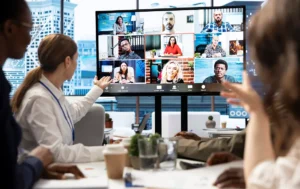
Hybrid events continue to expand, making livestream production just as important as the in-person experience.
An event may impress attendees physically while appearing ordinary online due to poor camera placement, inadequate lighting, or weak audio capture.
Virtual viewers often judge production quality within seconds.
Professional livestreaming requires dedicated planning rather than simply pointing a camera toward the stage.
Organizations investing in webcasting solutions should ensure that remote participants receive an experience equal in quality to those attending in person.
Technical Equipment Should Support the Experience, Not Become the Focus
Luxury hospitality emphasizes effortless service.
Guests should never feel surrounded by technology.
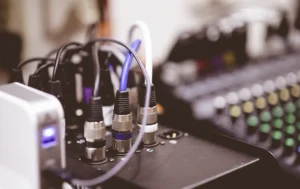
Large equipment racks, exposed cables, visible power distribution, and improperly positioned control stations distract from the event atmosphere.
Professional AV production prioritizes clean installations that integrate naturally into the venue.
The best technology often feels invisible.
Last-Minute AV Planning Leads to Expensive Compromises
One of the biggest mistakes event organizers make is treating AV as a final checklist item.
Audiovisual planning influences stage design, room layout, power requirements, camera positions, seating arrangements, presentation flow, and guest movement.
When AV professionals become involved early in the planning process, creative opportunities increase while technical risks decrease.
Collaborative planning produces more elegant solutions and often reduces unnecessary costs.
Why Premium AV Production Is About Experience, Not Equipment
Many people associate high-end events with expensive LED walls, advanced lighting fixtures, and large sound systems.
While premium equipment certainly helps, exceptional experiences come from intelligent design.
The difference lies in thoughtful execution.
Balanced lighting.
Strategic screen positioning.
Consistent audio coverage.
Integrated branding.
Invisible technical infrastructure.
Professional transitions.
Audience-centered planning.
These details collectively create an atmosphere that feels effortless and refined.
Technology should amplify the event’s message rather than compete with it.
Final Thoughts
Guests rarely leave an event talking about the lighting fixtures or speaker systems. Instead, they remember how the event made them feel.
Exceptional AV design creates confidence, clarity, excitement, and emotional connection without drawing attention to itself.
The smallest technical oversights—imbalanced lighting, poorly positioned screens, inconsistent audio, or cluttered stage design—can undermine even the most luxurious event environment.
At Megahertz Productions, premium AV rental and production is about more than supplying equipment. It is about designing immersive experiences where technology, creativity, and precision work together seamlessly. When every audiovisual element is carefully planned, events don’t simply look expensive—they feel unforgettable.