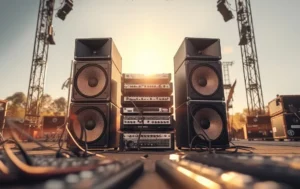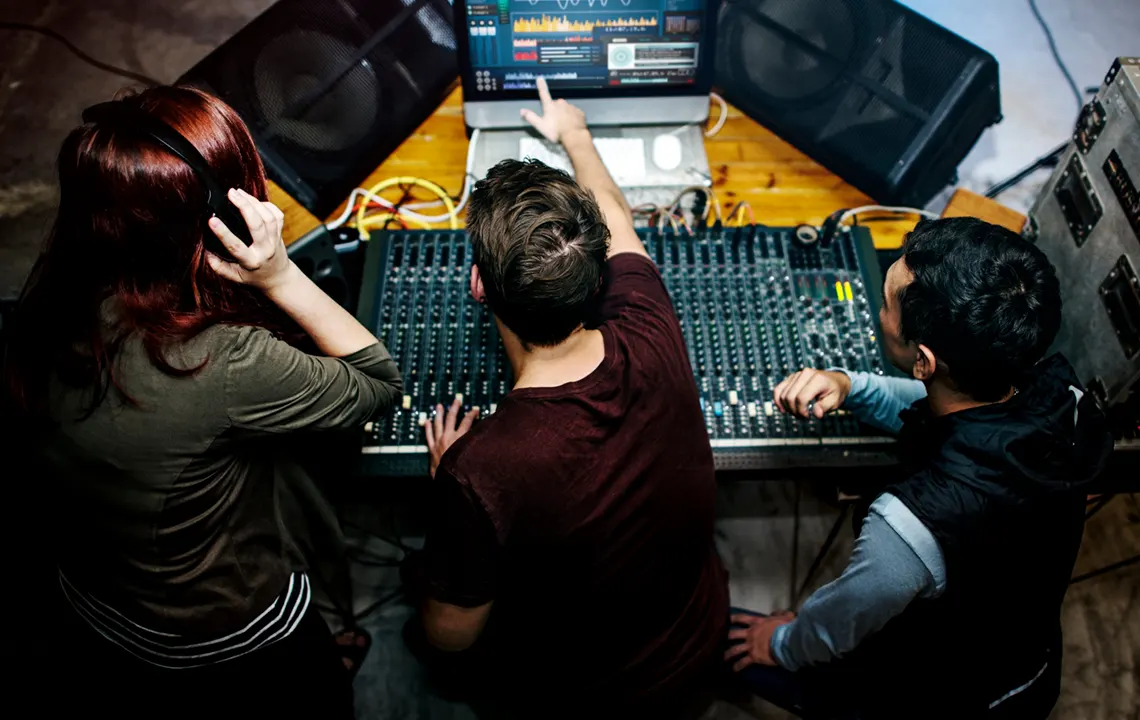
When people think about live events, they usually picture the visible moments: the keynote speaker walking on stage, the live stream going live, the lights fading in, or the audience reacting at exactly the right moment. What most attendees never see is the quiet process that determines whether the entire experience feels polished or stressful: the sound check.
In the world of professional AV rental and production, sound checks are not just technical routines. They are the foundation of event quality. Whether it is a corporate conference, product launch, hybrid meeting, concert, gala dinner, webcast, or virtual presentation, a proper sound check can prevent technical failures, improve audience engagement, and protect the reputation of everyone involved.
At Megahertz Productions, we have seen firsthand how a carefully planned sound check transforms events from “good enough” into seamless professional experiences. While some organizers see sound checks as optional or time-consuming, experienced production teams understand that the extra time invested before an event often saves hours of troubleshooting later.
This article explores why sound checks matter so much, what happens during professional audio preparation, and how proper AV planning can dramatically improve the success of live and virtual events.
What Is an Event Sound Check?
A sound check is the process of testing and adjusting all audio systems before an event begins. This includes microphones, speakers, mixers, playback systems, streaming feeds, communication systems, recording equipment, and any other audio-related technology involved in the production.
The goal is simple: make sure every person hears exactly what they are supposed to hear, clearly and consistently.
A professional sound check typically involves:
- Testing microphone levels
- Preventing microphone feedback
- Balancing speaker output
- Checking audio coverage across the venue
- Confirming livestream audio quality
- Monitoring signal routing
- Adjusting EQ and compression
- Testing playback media
- Coordinating communication between AV teams
For large-scale productions, this process may take several hours. For smaller events, it could be completed much faster. Regardless of event size, skipping this step creates unnecessary risk.
Why Audio Problems Damage Events Faster Than Visual Problems
Audiences are surprisingly forgiving about minor visual imperfections. A slide transition might lag for a second, or lighting may briefly shift. Most attendees move on quickly.
Audio problems are different.
If attendees cannot hear a presenter, panel discussion, or performer clearly, frustration builds immediately. Poor audio creates mental fatigue, confusion, and disengagement. In livestreaming and webcasting environments, bad sound often causes viewers to leave entirely.
Poor Audio Impacts Audience Trust
When microphones cut out or sound distorted, audiences subconsciously associate those issues with disorganization. Even if the content itself is valuable, technical distractions weaken the perceived professionalism of the event.
This becomes especially important for:
- Corporate conferences
- Investor presentations
- Product launches
- Executive meetings
- Educational seminars
- Hybrid events
- Livestream broadcasts
In many cases, the audience remembers technical failures more vividly than the actual presentation content.
Read More : Hybrid Event Checklist
Sound Checks Help Prevent Feedback and Echo Issues
One of the most common event audio problems is microphone feedback. That loud screeching noise instantly disrupts attention and creates discomfort for everyone in the room.
Professional sound checks help identify:
- Speaker placement problems
- Microphone sensitivity issues
- Gain staging errors
- Frequency conflicts
- Acoustic reflections within the venue
Every room behaves differently acoustically. A ballroom, conference center, warehouse, outdoor venue, and studio environment all require different audio adjustments.
During a sound check, AV engineers evaluate how sound travels through the space and make precise modifications that reduce the risk of feedback during the actual event.
Different Speakers Require Different Audio Settings
No two presenters sound the same.
Some speakers project their voices confidently, while others speak softly. Some move constantly around the stage. Others remain stationary behind a podium. Certain voices emphasize bass frequencies while others sound sharper or thinner.
A sound check allows technicians to optimize settings for each speaker individually.
Wireless Microphone Testing Matters
Wireless systems are extremely useful during modern productions, but they also introduce potential challenges such as:
- RF (Radio Frequency) interference
- Battery issues
- Frequency overlap
- Dropouts
- Range limitations
Testing wireless microphones before the audience arrives dramatically reduces the chance of unexpected interruptions during the live program.
This is especially critical for panel discussions, keynote presentations, and live-streamed productions where uninterrupted communication is essential.
Livestreaming and Webcasting Depend on Clean Audio
In hybrid events, livestreaming quality matters just as much as the in-room experience.
Viewers watching remotely cannot rely on room energy, stage visuals, or audience reactions to stay engaged. Audio becomes the primary connection between the speaker and the remote attendee.
At Megahertz Productions, livestreaming and webcasting projects often involve multiple audio feeds simultaneously, including:
- In-room speaker audio
- Virtual guest audio
- Playback content
- Translation channels
- Recording feeds
- Streaming platform outputs
Without a detailed sound check, syncing these systems becomes risky.
Remote Audiences Are Less Patient
Online viewers leave quickly when audio quality drops. Common livestream audio issues include:
- Audio delay
- Distortion
- Volume inconsistency
- Background noise
- Echo
- Missing channels
Professional sound checks ensure that streaming audiences receive clear, balanced audio from the start of the broadcast.
For companies investing heavily in virtual and hybrid events, this preparation directly impacts viewer retention and audience satisfaction.
Sound Checks Improve Communication Between Production Teams
A successful event depends on coordination between multiple departments, including:
- Audio engineers
- Video operators
- Lighting technicians
- Camera crews
- Producers
- Stage managers
- Event coordinators
The sound check process creates an opportunity for all teams to synchronize their workflows before the event begins.
Timing and Cue Coordination
During rehearsals and sound checks, production crews verify:
- Speaker entrances
- Video playback timing
- Lighting transitions
- Camera switching cues
- Virtual guest integration
- Presentation handoffs
This preparation reduces confusion during live execution.
In professional AV production, smooth transitions often matter just as much as the content itself. Attendees notice when events flow naturally without awkward pauses or technical delays.
Proper Sound Checks Reduce Stress for Speakers
Many presenters feel nervous before speaking publicly, especially during important corporate or live-streamed events.
A professional sound check gives speakers confidence because they know:
- Their microphone works correctly
- Presentation audio is balanced
- Stage monitors are functioning
- Their voice sounds clear
- The production team is prepared
This reassurance often improves overall presentation quality.
Presenters Perform Better When Comfortable
Small technical uncertainties can distract speakers significantly. Questions like:
- “Can everyone hear me?”
- “Is my mic working?”
- “Will the virtual audience hear this video?”
- “Am I too loud?”
can reduce presentation focus.
A thorough pre-event sound check eliminates many of these concerns before the audience even enters the room.
Every Venue Has Unique Acoustic Challenges
One major reason sound checks matter is that every event environment behaves differently.
Even experienced AV professionals cannot rely entirely on assumptions from previous venues.
Common Venue Audio Challenges
Large Ballrooms
Large reflective surfaces can create echo and muddy speech clarity.
Outdoor Events
Wind, ambient noise, and open-air acoustics create entirely different challenges compared to indoor spaces.
Industrial Spaces and Warehouses
Hard surfaces often create harsh reflections and uneven sound distribution.
Hybrid Meeting Spaces
These environments require careful balancing between in-room sound and streaming audio.
Professional sound checks help identify these challenges early enough to make adjustments before attendees arrive.
Audio Preparation Protects Your Brand Reputation
For businesses hosting professional events, technical quality directly affects brand perception.
A smooth production communicates:
- Reliability
- Attention to detail
- Professionalism
- Organizational competence
- Respect for attendees’ time
On the other hand, technical problems can undermine credibility.
This becomes even more important during:
- Investor meetings
- Executive presentations
- Product unveilings
- Media events
- Client-facing conferences
- Sponsored livestreams
A proper sound check is not just about technology. It is part of protecting the overall image of the organization hosting the event.
Sound Checks Save Time During the Actual Event
Ironically, skipping sound checks to “save time” often creates larger delays later.
Without proper preparation, production teams may end up troubleshooting problems live in front of the audience.
This can lead to:
- Delayed event starts
- Interrupted presentations
- Speaker frustration
- Audience disengagement
- Extended production schedules
A structured pre-event audio process helps events stay on schedule.
Prevention Is Faster Than Live Troubleshooting
Fixing audio problems during a live event is significantly harder because technicians must work under pressure while avoiding disruptions.
During a sound check, engineers can solve issues calmly and methodically before attendees are present.
This proactive approach reduces overall production risk.
Professional AV Companies Treat Sound Checks as Essential
Experienced AV rental and production companies understand that preparation is one of the biggest factors behind successful events.
At Megahertz Productions, sound checks are integrated into the broader production workflow rather than treated as optional add-ons.
This includes preparation for:
- Corporate events
- Conferences
- Hybrid meetings
- Virtual events
- Webcasts
- Live streaming productions
- Panel discussions
- Award ceremonies
- Product launches
Professional event production is not just about renting equipment. It is about ensuring every technical component works together reliably under real-world conditions.
What Happens During a Professional Event Sound Check?
While every production is different, most professional sound checks follow a structured process.
Equipment Verification
Technicians confirm that all audio hardware is functioning correctly, including:
Signal Flow Testing
Audio signals are tested from source to output to ensure proper routing.
Microphone Calibration
Each microphone is adjusted for clarity, gain, and consistency.
Playback Testing
Music, videos, and presentation media are reviewed for proper output levels.
Livestream Audio Monitoring
Streaming feeds are monitored separately because online audio often requires different balancing than in-room sound.
Redundancy Checks
Backup systems are tested to prepare for unexpected failures.
Professional AV teams understand that redundancy planning is part of delivering reliable event production services.
The Cost of Skipping a Sound Check
Some organizers hesitate to allocate extra setup time because they want shorter schedules or reduced venue costs.
However, the financial and reputational cost of technical failure is usually far greater.
A failed webcast, distorted keynote, or broken microphone during a major event can negatively affect:
- Audience satisfaction
- Brand trust
- Sponsor confidence
- Media perception
- Lead generation
- Internal company morale
Compared to these risks, the time invested in a sound check is relatively minor.
Sound Checks Are Part of Creating Better Experiences
Great event production often goes unnoticed because everything feels smooth and natural.
Attendees rarely compliment events by saying:
- “The microphones worked.”
- “The audio routing was excellent.”
- “The signal flow was perfectly managed.”
Instead, they simply enjoy the experience without distraction.
That is the real value of professional preparation.
A successful sound check helps create events where audiences stay focused on the message, not the technology.
Choosing an AV Production Partner That Prioritizes Preparation
Not all AV providers approach event preparation the same way.
When evaluating AV rental and production partners, it helps to ask questions about:
- Pre-event testing procedures
- Livestream audio management
- Backup systems
- Technical rehearsals
- On-site engineering support
- Wireless microphone coordination
Companies that emphasize preparation typically deliver more reliable event experiences.
For businesses planning professional conferences, livestreams, hybrid events, or corporate productions, working with an experienced production team can significantly reduce technical risk while improving audience engagement.
Final Thoughts
Sound checks may happen behind the scenes, but they play a major role in determining whether an event feels polished or chaotic.
The extra time invested before guests arrive often prevents the technical issues that audiences remember most. From improving speech clarity and livestream quality to reducing presenter stress and protecting brand reputation, professional sound checks create measurable value across every stage of event production.
In today’s event landscape, where live experiences and virtual audiences are equally important, preparation is no longer optional. It is part of delivering professional, reliable communication.
For organizations investing in AV rental, livestreaming, webcasting, and event production services, partnering with a team that prioritizes detailed preparation can make the difference between an average event and an exceptional one.
Megahertz Productions understands that successful productions are built long before the audience enters the room. That is why proper sound checks remain one of the most important investments in any professional event workflow.